Trenton sits on the banks of the Delaware River with a population of approximately 85,000 people. Trenton consists of many neighborhoods and is divided into four wards – North, South, East and West. In the 19th and 20th centuries, central New Jersey experienced rapid development and population growth. The city of Trenton grew as many came to work in mills and factories. In the 1950s, job loss and urban unrest led to a drop in population. Black and Hispanic populations increased. In the 1950s, urban renewal projects demolished historically black neighborhoods and created John Fitch Way, a highway that cut off the downtown from its Delaware River waterfront.
At the same time, beginning in the 1930s and lasting through the passage of the Fair Housing Act in 1968, red lines were drawn on maps around Black and mixed-race urban communities across the country, designating them as too risky or “hazardous” for mortgages. This process is known as redlining. Generations of Black people and other residents of cities in New Jersey, including Trenton, were redlined and denied home loans and wealth building opportunities.
Simultaneously, redlining created a system for white people to build futures, homes, and wealth in the suburbs outside of the red lines. Additionally, these redlined areas today have higher levels of hard, non-porous surfaces, which make these areas more vulnerable to flooding and heat. That’s why working with existing networks and new partners to begin to address the roadblocks to accessing Trenton’s outdoor spaces.
Our Trenton Anchor Institution:
The Watershed Institute

The Watershed Institute (TWI) works to keep water clean, safe and healthy as they serve more than 13,000 children, teens and adults through nearly 350 programs and events each year. Their experts teach environmental science through an inquiry-based, problem solving model. Watershed Nature Camp inspires an appreciation of nature in children from Kindergarten through 9th grade and our summer science academy engages high school students in real-world environmental challenges. They train K-12 science teachers in engaging, hands on workshops and provide adult programs that tap college professors to provide in-depth learning on natural history and other topics.
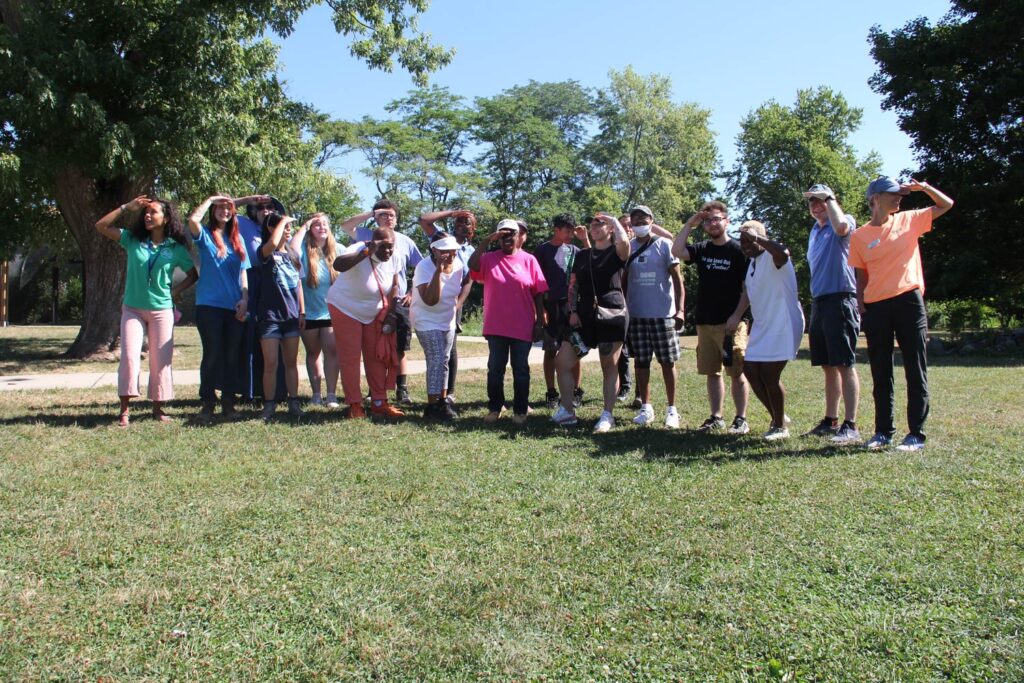
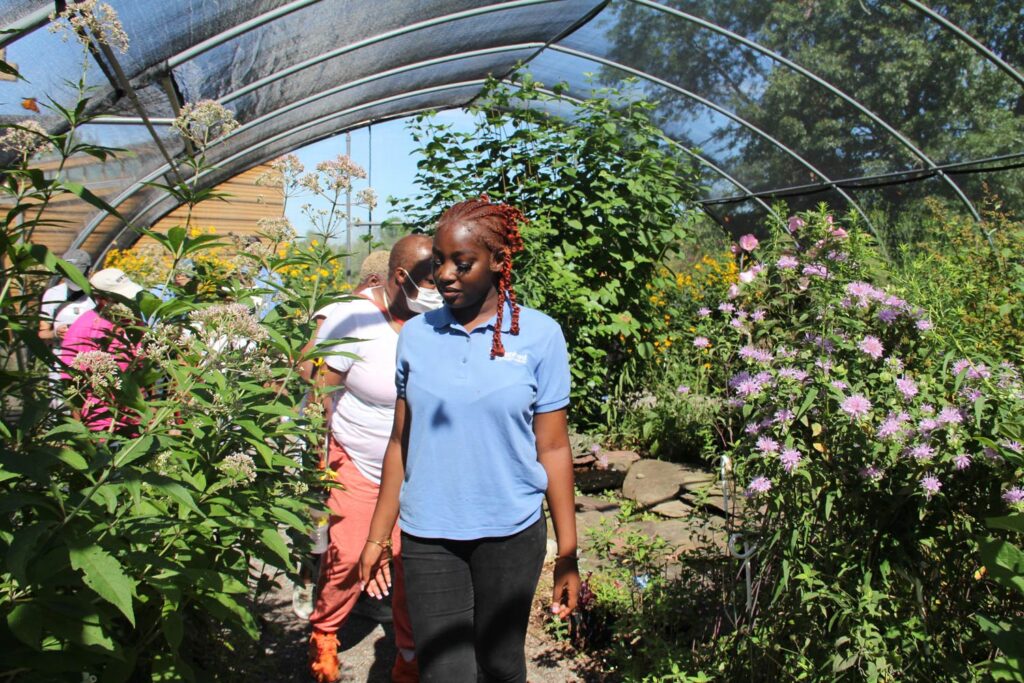
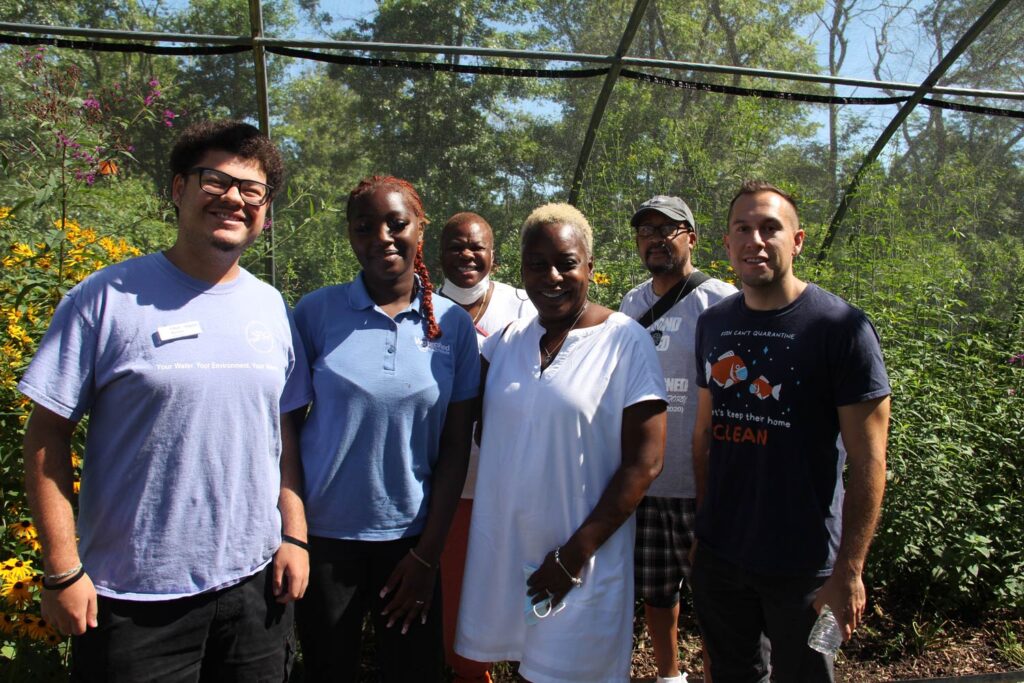
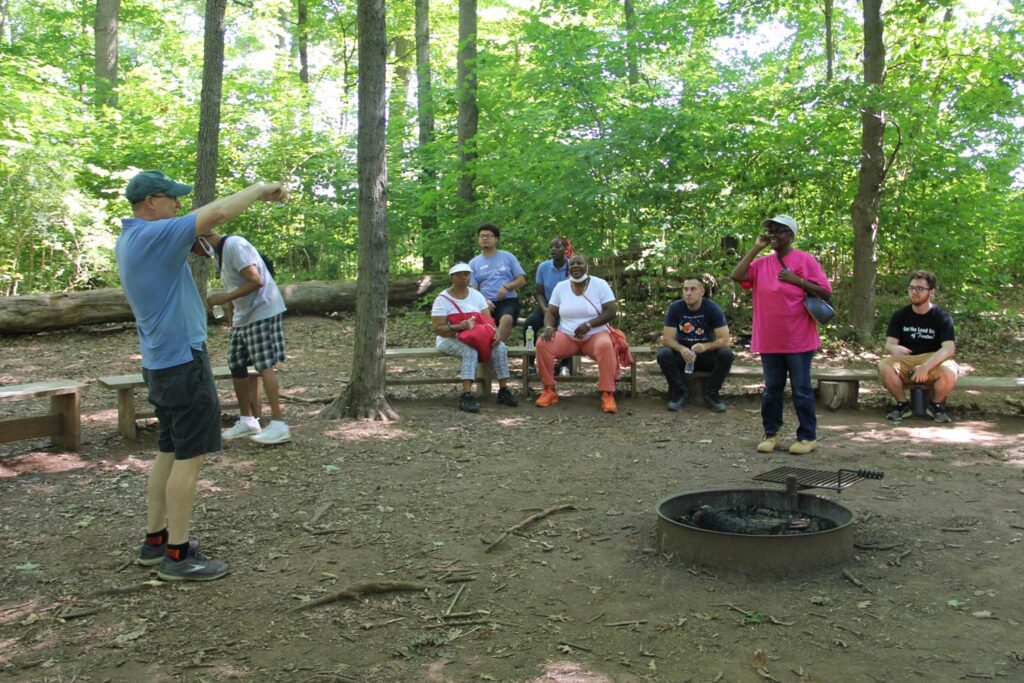
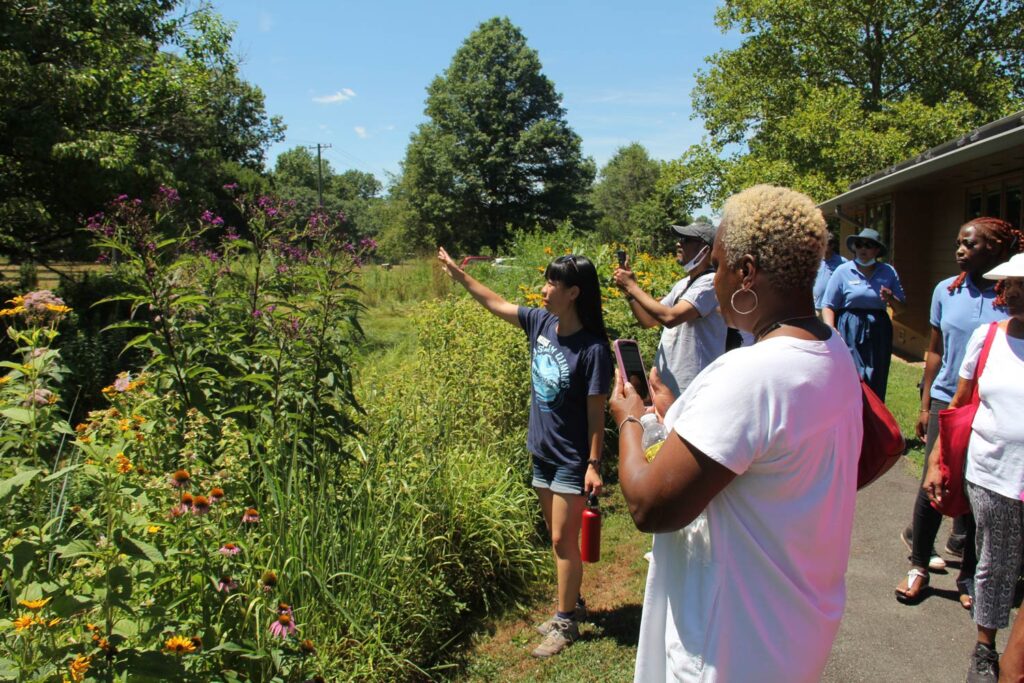
TWI strives to create a place at the Watershed Center and Reserve where everyone, from diverse backgrounds − culture, race/ethnicity, sexual orientation, gender identity and expression, age, religious affiliation, socioeconomic status, and physical and mental ability − feels comfortable and safe exploring and enjoying natural spaces. But they realized that engagement of neighborhoods systematically excluded from nature in Trenton only happens when TWI creates relevant and meaningful programs for neighbors in Trenton. The Watershed Institute increased its engagement with Trenton schools, empowering students to create deeper connections with their waterways, understand the impact of human activities on the environment, and explore possible careers in environmental science.

To join our effort to make the outdoors more accessible contact: thewatershed.org